
Foundations
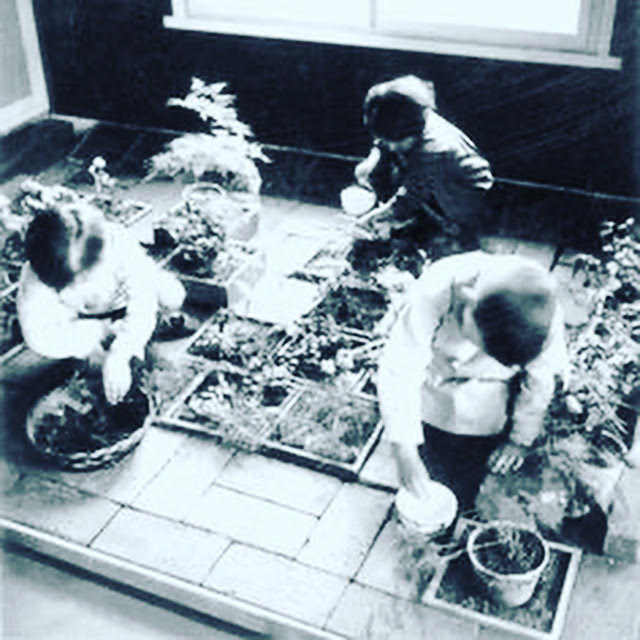
Montessori Foundations

Dr. Maria Montessori believed in the development of the child, spiritually and intellectually. Follow the child was and is the foundation of the Montessori method, began and noted in 1906 at Casa dei Bambini (Children’s House) in San Lorenzo, Italy where she began her quest to assist in the success of children through practice of observation, presence, respect and care of the individual. After great research, passion and time Dr. Montessori established clear goals for education, which has become the defining Montessori path. These include; to help the child reach his/her highest potential, help facilitate normal development of the whole child and assist in the development of the child’s intellect emotionally, socially, cognitively and physically. Dr. Montessori believed that living the goals listed through the practice of concrete curricula and awareness of developmental stages (Practical Life, Sensorial, Language, Math, Absorbent Mind, Sensitive Periods, Concentration, Coordination, and Order) would enable that child to grow to his/her full potential.
Her profound insight into the soul of the child; her long and varied experience; her scientific outlook combined with a maternal tenderness and sympathy; the lucidity of her discourses and their originality…the passion of her devotion to her mission-all these combined to make her a perfect advocate of her cause, which was the cause of the child (Her Life and Work, E.M. Standing, 65-66).
Understanding Developmental Stages of the Child through Absorbent Mind
From the moment we humans open our senses to the world we are engrossed with the wonder of exploration, experimentation, examination and dissection in order to begin to understand what is presented from the world. A child is born an explorer. “The child is a philosopher before he can talk, an explorer before he can walk” (Standing, 102). Dr. Montessori broke the stages of life into three categories (First Stage Birth-6yrs, Second stage 6-12 years and Third stage 12-18) to help understand the developmental transitions one goes through. The first Epoch of Development (Birth-6 years) is termed The Absorbent Mind. From Birth-3 years the child is in a state of Unconscious Mind, constantly absorbing impressions from the environment and yet does so without knowing that he/she is doing so. “In the first year of its life, then, a child takes in the whole of his environment unconsciously. In this way he accumulates the materials from which he will later build up to his conscious life”. We adults cannot teach this directly. This mysterious process of humans passing from unconscious to conscious is independent of us caregivers; we can only assist in providing conditions that will nurture the child during this transitional period.
The second sub-division of Absorbent Mind, 3-6 years, in a move from the child’s absorption of the world through his unconscious intelligence by merely moving about in it, to the second stage where the child takes in the environment consciously by using his/her hands to educate. “The hand has now become the instrument of the brain; and it is through the activity of his hands that he enriches his experience, and develops himself at the same time”. During this time the child passes through a defining period in which they reveal intense and extraordinary interest and attention on certain aspects of his/her environment to the exclusion of others to develop order and distinction to their understanding which is called Sensitive Period. During the 3-6 years there are different Sensitive Periods emphasized for Order, Language, Interest in Small Objects, Learning Grace and Courtesy in the world and Refinement of Senses.
~Emily Graham
AMS Certified, Montessori Educational Institute of the Pacific Northwest graduate
Please refer to the following site for our American Montessori Society foundations and intention for future application for accreditation. https://amshq.org
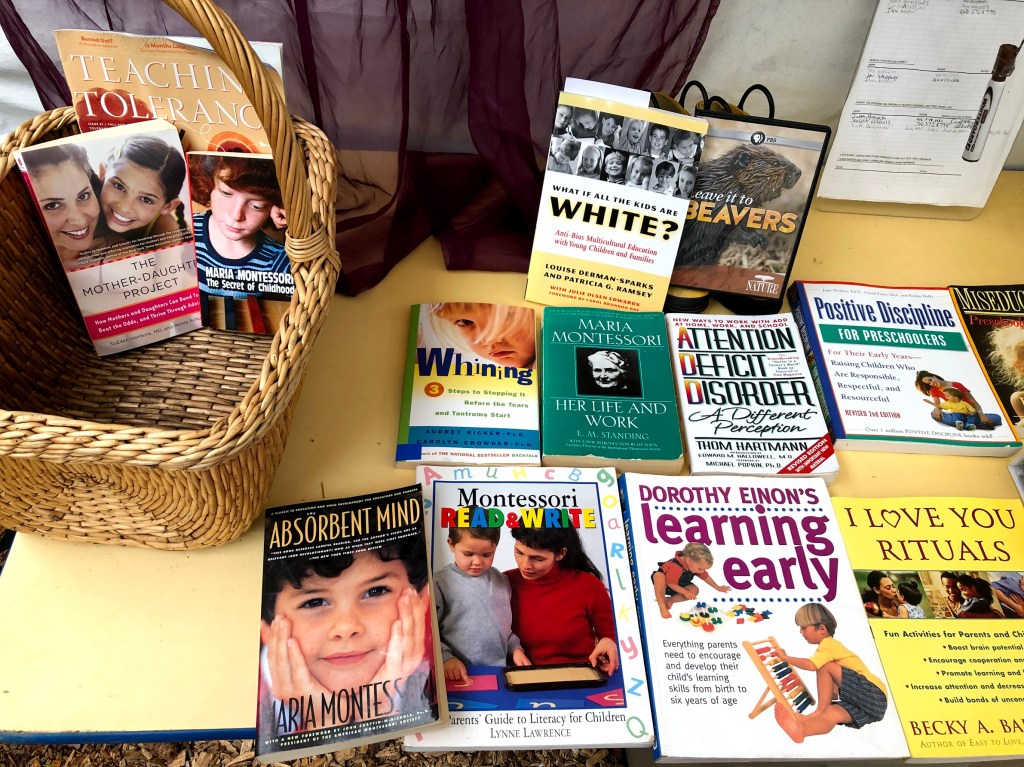
Resources to check out:
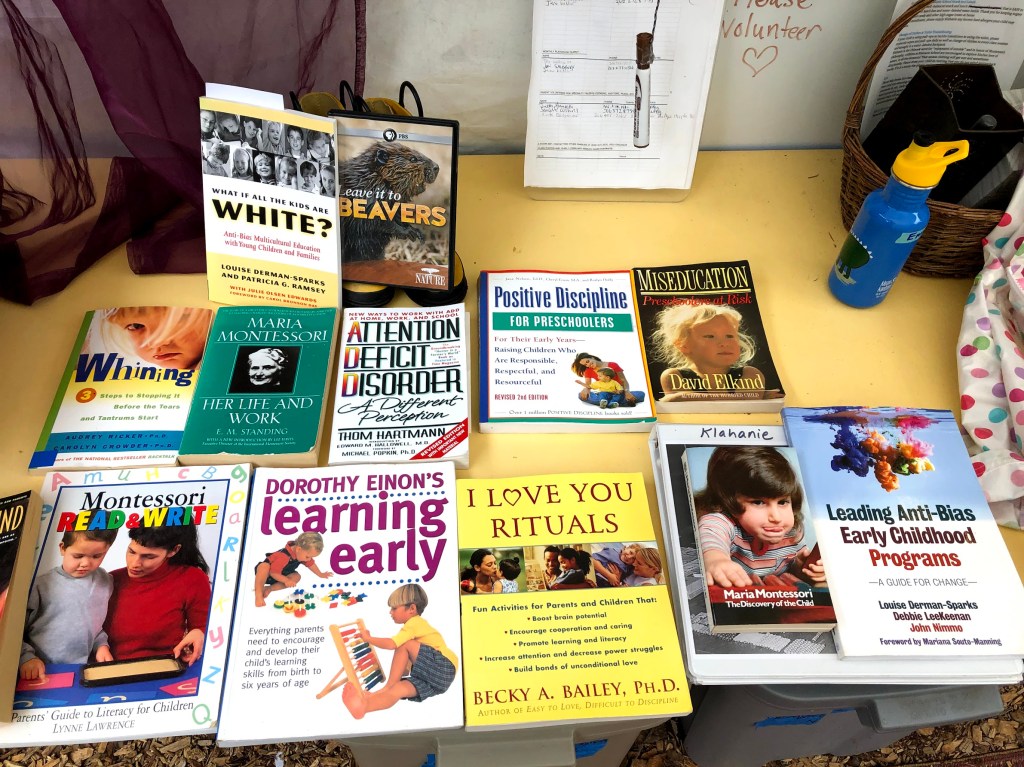
What If All the Kids Are White?: Anti-Bias Multicultural Education with Young Children and Families by Louise Derman-Sparks and Patricia G. Ramsey
Why I Talk About Race When I Read with My Toddler http://racecounscious.org
How To Talk to Kids about Race and Racism http://parenttoolkit.com
100 Race Conscious Things You Can Say To Your Child http://raceconscious.org
For a comprehensive look at the Antibias foundations, please refer to the following sites https://www.teachingforchange.org/ and https://www.teachingforchange.org/anti-bias-education
- Child Mind Institute: How to Talk to Kids About School Shootings
- National Education Association: Talking to Students About Texas Elementary School Shooting
- PBS Kids for Parents: Helping Children with Tragic Events in the News

 Klahanie School